

No Relation - how to decorate with antiques and vintage (part two)
So you’ve found a piece you love. Now what? How do you incorporate that one-off vintage find into your home? We’re Hari and Mimi. We fall in love with vintage and antique pieces every day and can show you how to bring those gorgeous finds into your home to elevate your living space.
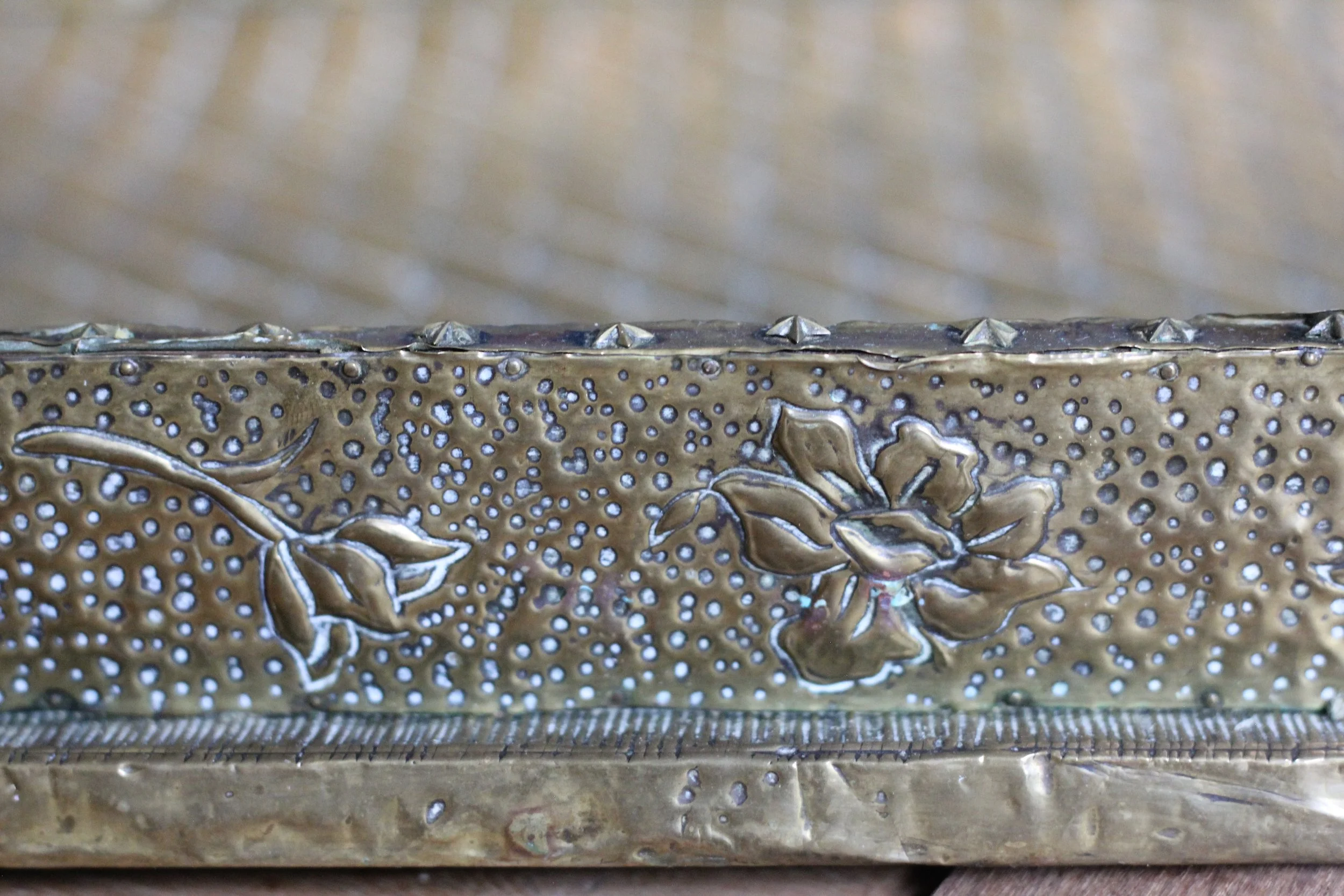
Detail from a hand-made vintage brass tray, part of a forthcoming No Relation collection.
Antiques incorporated
Styling a newly-found gem can be a confusing for the uninitiated. But there are several methods you can use to make everything come together seamlessly. Let us show you how to use antiques and vintage in your home to create a thought-through and cohesive design.
The keystone method for antiques and vintage
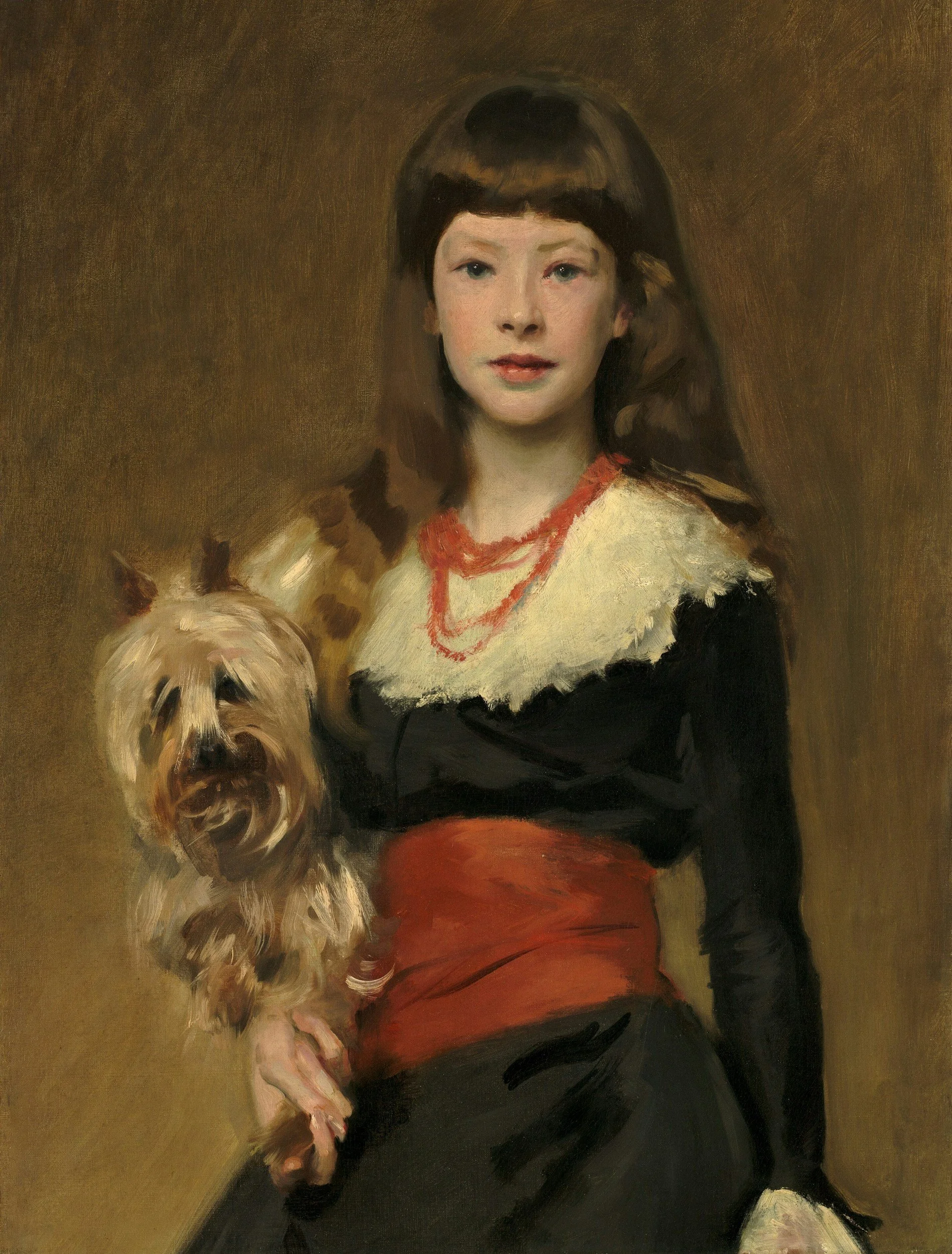
Portrait of Eleanor Beatrice Townsend by John Singer Sargent, held in the National Gallery
One of the best methods to use when you’ve moved into a new place. You arrive. You’re staring at blank walls. Quite overwhelming. It can be tempting to run to Ikea and fill the place up with the latest factory fresh looks. But if you’re craving a unique and individually stylish home, that’s not going to cut it.
Instead, try to find that one piece of art, furniture or ceramic that really speaks to you. It can be anything from a painting to a sideboard to a plate. What is it about that piece you love? Is it the colour palette, mood, era, scale or design?
By using that piece as a keystone, you have a roadmap to a really satisfying interior design. The image above for example could take you in a whole host of directions. Sure, you’d have to convince the National Gallery to lend it to you, but let’s not let that stop us.
That wonderful painting offers a host of design inspirations. The colour palette shows just what can be done when we take really muted tones like ochre, deep brown and black and pair them with palest pink and pops of red. Wouldn’t that make an amazing, unexpected yet completely coherent scheme? By sticking to that palette you can mix a range of style and eras and somehow it will all just feel intentional. Let the art work pull it all together. The artist has done the hard work for you.
Or if we were to take the vibe of the painting as a starting off point, it could become part of a collection of 19th century gems, a house filled with ornate frames and furniture, or part of a group of ‘things with a dog’.
Delft on the shelf
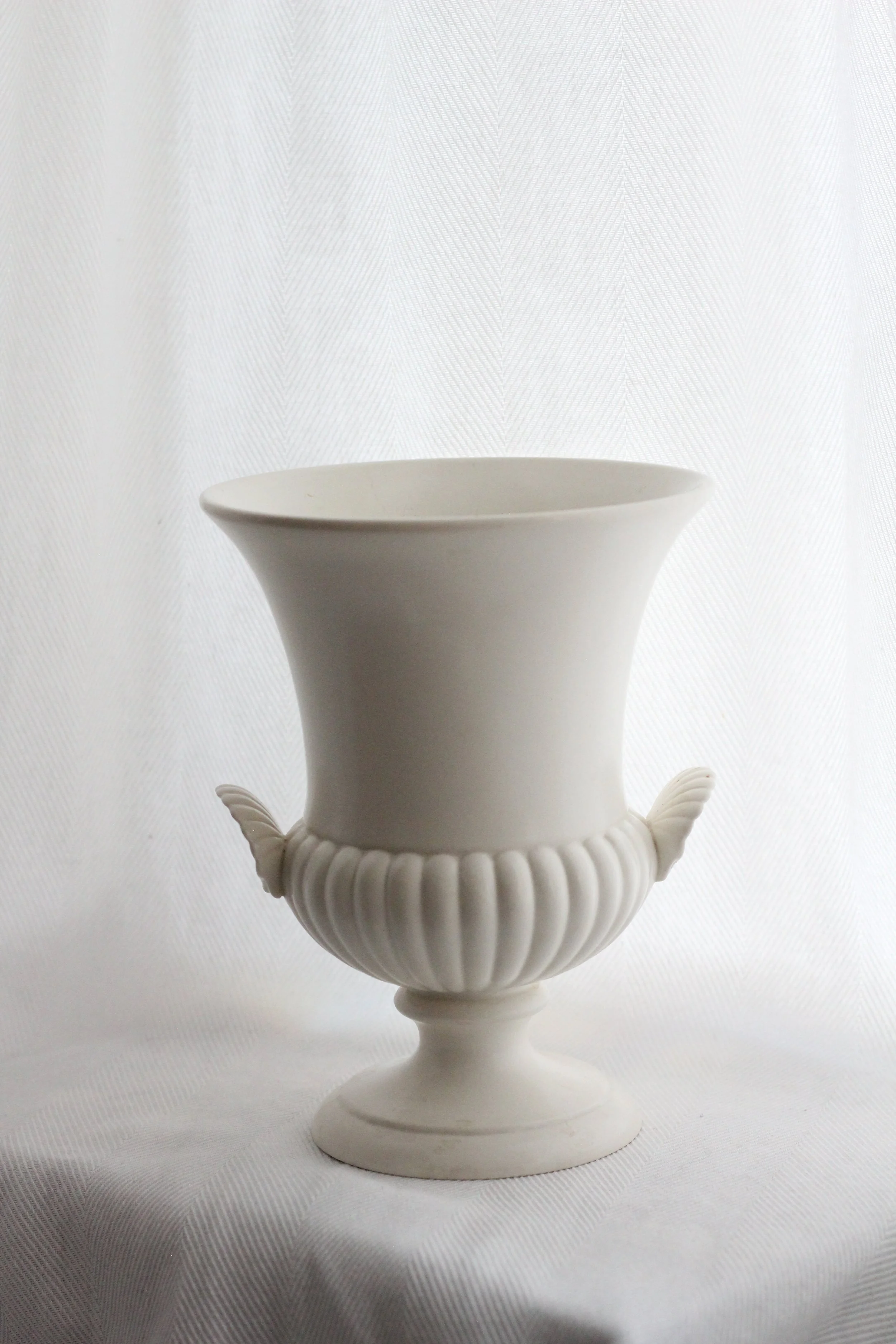
Ok, so this is Wedgewood from a previous No Relation collection, but you get the idea…
Where is the Delft you ask? Because that looks suspiciously like a 1960s moonstone-glaze Wedgewood urn with Etruscan shell handles? If you thought that, you would be correct. This isn’t about having a pristine collection of 18th century Delft, its about grouping like things together in a way that feels deliberate and curated.
It is a great way to include all the pieces you fall in love with. By treating your shelf as a gallery wall, everything you collect is elevated. It is nice to collect by colour theme. Say just wonderful blue and white objects (a lovely place to use that Delft!). Or things that tell a story of your life can be a great jumping off point to display the objects you love. Perhaps a 1920s painting you inherited from your grandma, with an art deco greyhound which reminds you of your own dog and a tiny Lalique vase picked up in a flea market in Paris.
By placing objects together with some thought, space and intention, you can create a gallery of the things you love. Each piece elevating the other.
Rethinking purpose
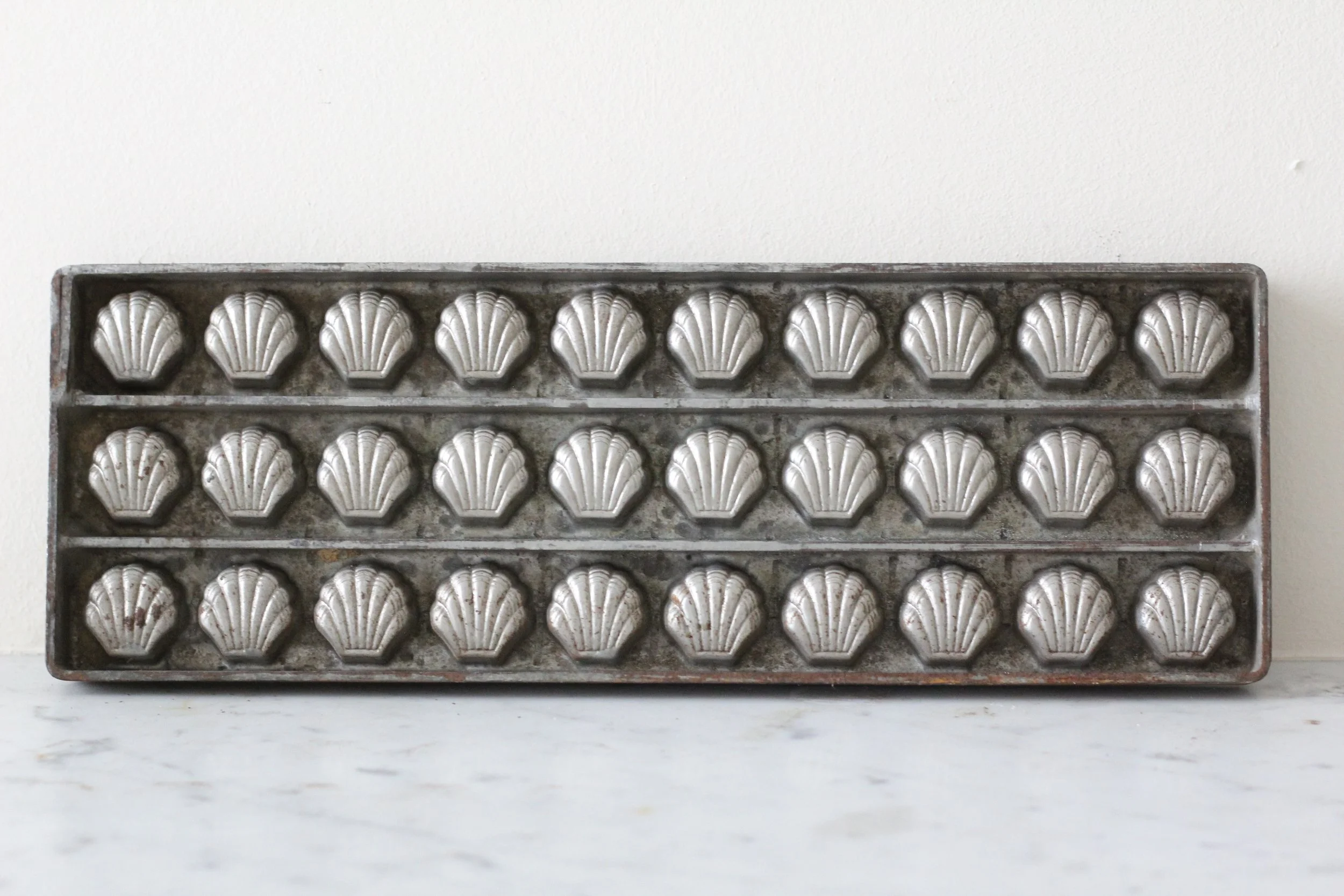
Above, a vintage Belgian chocolate shell mould, repurposed as decorate kitchen art from No Relation’s latest collection
This can absolutely be the fun bit. Don’t take any object at face value. Think how it could work in your home. Above we sourced an old chocolate mould from a flea market in Brussels. Once its only use was to create the most exquisite chocolates known to man. We love that. It can still be that. But we think it can also be the most amazing wall plaque for a kitchen. In this image we also presented it back to front to really bring out the depth of the mould and the signs of age. Could it be part of a subtle collection of shell-shaped objects in your home? Vintage kitchenalia? Things that are silver? In a bathroom that transports you to the sea? Or even as a subtle nod to a ‘chocolate’ colour palette. It starts with looking twice at each object and finding a link. So personal and so fun.
It doesn’t just have to be decorative items which can be repurposed. Furniture used ‘wrong’ can be an unexpected way to give your home an interior design twist. So start thinking like an interior designer.
Have a look at food writer Skye McAlpine’s London home here. With the help of interior designer Ben Pentreath, she used an old vintage work bench as her kitchen island, customising it to her taste. By bringing in a surprising element to her kitchen design she was able to add history and charm to the space and to make it completely her own.
In my own house, I was inspired to reuse the ‘wrong’ furniture in the kitchen. I took a 19th century French marble and wood washstand, typically found in bedrooms in France, and now use it as a stand for my coffee machine and a bowl of fruit. In repurposing antique items, we are able to bring soul and history into our homes.
We hope this has been an enjoyable read. We always love to see what you do with your vintage finds, so please tag us on instagram @norelation.store
In the meantime, have a browse of the current No Relation collection, perhaps there is something to inspire your next interior design journey!